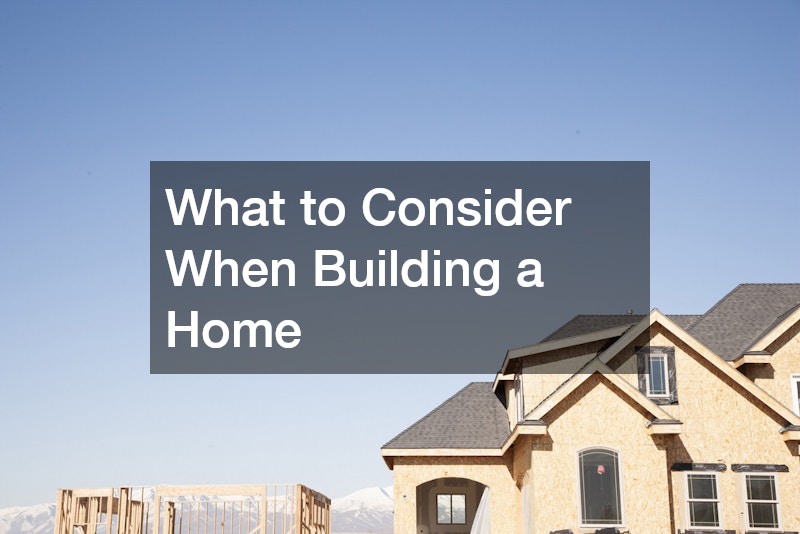
Building a custom home from the ground up is an extraordinary journey that blends personal vision with practical execution, representing one of the most significant investments a person can make. Unlike purchasing an existing structure, designing your own residence allows for an unparalleled level of personalization, ensuring every architectural detail aligns with your lifestyle. However, this deeply rewarding process is also inherently complex, requiring a meticulous orchestration of planning, budgeting, and project management. From the initial conceptualization phase to the final moments of interior finishing, the path to a completed home is paved with countless critical decisions. Navigating this intricate labyrinth successfully hinges on a comprehensive understanding of the numerous stages involved, as well as an unwavering commitment to quality. Prospective homeowners must be prepared to delve into the nuances of site preparation, structural integrity, and long-term upkeep. By approaching the process with creative enthusiasm and pragmatic diligence, you can seamlessly transform a vacant piece of property into a lasting sanctuary.
Preparing the Property
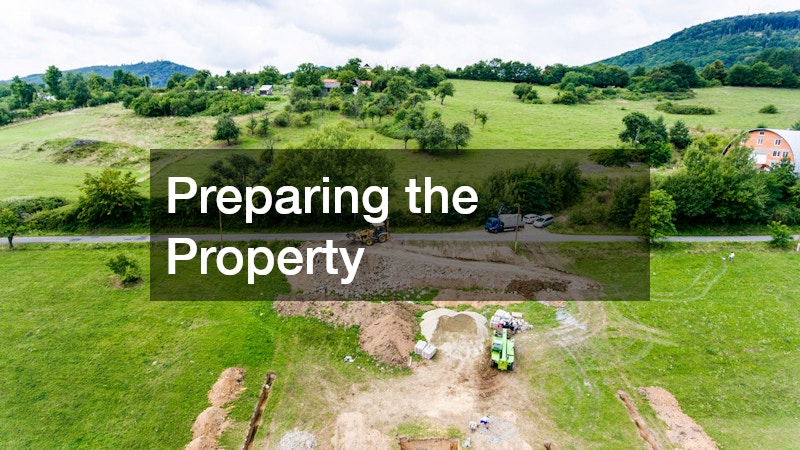
The foundational step of any construction project involves thoroughly evaluating the physical site where your future residence will stand. This preliminary phase goes beyond visualizing the placement of the house; it requires a deep dive into the topography, soil composition, and natural features. Homeowners must consider environmental impacts, assessing natural drainage patterns and sunlight exposure to maximize energy efficiency. A rigorous site analysis dictates the optimal positioning of the structure while mitigating potential risks. Establishing a solid foundation is non-negotiable, beginning with understanding the raw plot.
Moving into the actionable phase of site preparation, you will inevitably need to address the physical obstacles that stand in the way of laying your foundation. Trees, boulders, and uneven terrain must be carefully managed to create a workable footprint. This scale of work is far beyond a simple DIY project. Hiring experienced land clearing services becomes an essential step, as these professionals possess the heavy machinery required to level the earth in accordance with local laws. Proper clearing paves the way for a structurally sound foundation.
Sourcing the Materials
Once the site is prepped, the focus shifts entirely toward the physical components that will constitute the framework of the dwelling. The selection of construction materials is a critical decision matrix balancing aesthetic desires, budget constraints, and structural durability. Every beam and sheet of insulation plays a vital role in the long-term performance of the residence. Homeowners must navigate a vast landscape of options, weighing the benefits of traditional timber framing against steel alternatives. The goal is to construct a resilient shell that provides a comfortable environment.
Translating these material choices into reality requires establishing a reliable supply chain that can deliver high-quality products to your site exactly when needed. Delays in delivery can derail an entire schedule, causing a ripple effect of compounded costs. Therefore, forging a strong relationship with a reputable building material supplier is a crucial logistical step that ensures a steady flow of lumber and specialized fixtures. A trusted vendor alerts you to shortages and helps source alternative products if original choices become unavailable, safeguarding the timeline of your emerging home.
Acquiring the Equipment
The physical act of building a home is a labor-intensive endeavor that demands a vast array of specialized implements to execute architectural plans. While large-scale machinery is essential for initial earthmoving phases, the majority of detailed construction work relies on precise manual and power-assisted devices. The efficiency and safety of the site are directly correlated to the appropriateness of the implements utilized by the workforce. Having the right implement for the specific task minimizes errors and accelerates the timeline, providing perspective on the project’s mechanical complexity.
Zooming in on the day-to-day operations of the construction crew, one realizes that the most intricate details of the build are executed with the simplest instruments. While pneumatic nailers handle rapid assembly, the fine-tuning of joints requires a tactile approach. Every carpenter relies on a comprehensive collection of reliable hand tools to perform nuanced tasks that machines cannot replicate. The quality of these manual instruments directly impacts craftsmanship. Ensuring the crew has access to top-tier manual equipment is an indirect investment in flawless execution of the home.
Protecting the Exterior
The uppermost barrier of your residence serves as the primary line of defense against the relentless forces of nature, making its construction a matter of paramount importance. This overhead shield must be engineered to deflect torrential rain, withstand heavy snow, and resist ultraviolet radiation. Beyond its functional role of keeping the interior dry, this covering plays a massive role in defining architectural character. Selecting the right cladding involves a careful evaluation of the local climate and structural load-bearing capacity, contributing significantly to overall thermal efficiency.
When selecting a material that offers unparalleled longevity and weather resistance, many modern homeowners are turning away from traditional asphalt shingles in favor of more robust alternatives. Steel and aluminum options have surged in popularity due to their exceptional lifespan and fire resistance. To execute this specialized installation, it is highly recommended to contract a dedicated metal roofing company possessing the expertise required to properly secure these rigid panels. Engaging specialized professionals ensures this critical protective layer is installed flawlessly, providing a durable shield against the elements.
Controlling the Climate
Creating a truly comfortable living environment requires more than sturdy walls; it necessitates the implementation of a sophisticated internal system designed to regulate temperature and air quality year-round. The modern home is a tightly sealed envelope requiring mechanical intervention to ensure the indoor atmosphere remains breathable regardless of extreme weather outside. Planning the climate control infrastructure must happen early, as ductwork requires dedicated spatial accommodations. Homeowners must balance their desire for customized temperature control with the overarching need for energy efficiency, selecting systems that provide maximum comfort.
Moving from the theoretical design of air circulation to the practical installation of machinery, you will need to rely on highly specialized technical expertise. The intricate network of ducts and furnaces must be perfectly calibrated to the specific cubic footage of your new home. Bringing in a licensed HVAC contractor early in the construction process is absolutely critical to the success of your strategy. These certified technicians calculate precise heating loads, guaranteeing that complex wiring and exhaust flues are installed safely and in strict compliance with building codes.
Finishing the Interior
As the structural phases of the build conclude, the focus shifts dramatically toward the aesthetic elements that will transform the raw site into a warm living space. The interior finishes dictate the daily sensory experience of the home, encompassing everything from the texture of the walls to the cabinetry. This stage is highly personal, allowing homeowners to express unique design sensibilities through the selection of colors. It requires a cohesive vision to ensure that various textures flow logically, creating a harmonious interior environment for the family.
Among the most impactful decisions in the interior finishing process is the selection and installation of the surfaces you will walk on every day. The materials chosen for the ground level must balance aesthetic beauty with incredible durability, as they will bear the brunt of heavy foot traffic over the lifespan of the home. Because the installation of intricate tile requires precise subfloor preparation, it is highly advisable to hire specialized flooring contractors. Their professional touch guarantees a stunning, long-lasting surface serving as the foundation for your decor.
Constructing the Driveway
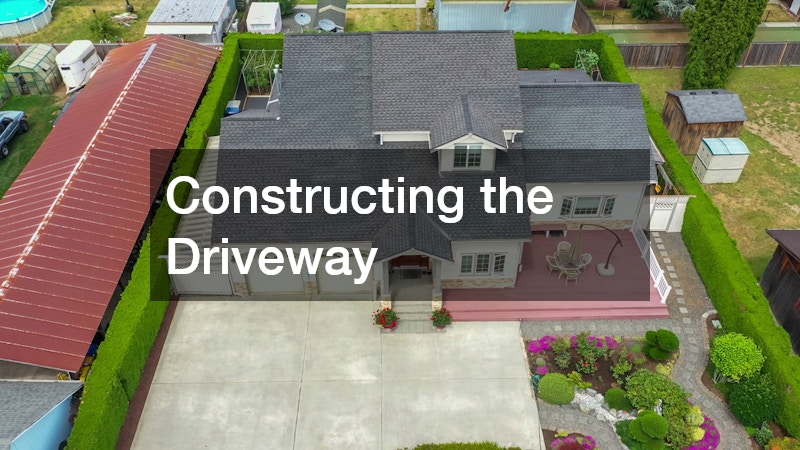
The transition from the public roadway to your private residence is a critical component of the property’s overall design, serving as both a functional access point and a contributor to curb appeal. Planning the vehicular approach requires careful consideration of the grading, drainage patterns, and anticipated volume of traffic. A well-designed entryway must accommodate emergency vehicles and be sloped correctly to prevent water pooling near the foundation. The aesthetic materials chosen for this access path should complement the architectural style, creating a cohesive visual experience that welcomes guests.
When it comes time to lay down the permanent surface for your vehicular access, the complexities of sub-base preparation demand professional oversight. Whether you opt for a sleek asphalt surface or a durable concrete slab, the longevity of the installation depends entirely on the compacted aggregate beneath it. To ensure a resilient surface, it is best to solicit bids from reputable local paving contractors who understand the specific soil conditions of your geographic area. Entrusting this exterior work to regional experts guarantees a flawless approach that enhances accessibility.
Designing the Grounds
A beautifully constructed house can feel isolated if the surrounding exterior environment is neglected or left as an afterthought. The exterior grounds provide vital context for the architecture, anchoring the structure to the earth and seamlessly blending the built environment with the natural world. Comprehensive exterior planning involves the strategic placement of shade trees and the creation of functional outdoor living spaces. Thoughtful exterior design enhances privacy, directs natural breezes, and creates inviting sanctuaries. By treating the exterior envelope as an extension of the living space, homeowners cultivate harmony.
Transforming a barren dirt lot into a thriving outdoor oasis requires botanical knowledge, spatial planning, and significant physical labor. From retaining walls that manage sloping terrain to the selection of native plant species, the intricacies of exterior beautification are vast. To execute a complex outdoor vision that includes hardscaping and garden beds, engaging a professional landscaping contractor is an incredibly wise investment. Their expertise ensures that flora is planted correctly and features are installed safely, resulting in a breathtaking exterior environment that matures beautifully alongside your home.
Planning the Waterfront
For properties fortunate enough to be situated along the edge of a lake or river, the interface between the land and the water presents a unique set of design opportunities. Maximizing the utility of a waterfront location requires careful planning to ensure safe access while protecting the delicate shoreline ecosystem from erosion. Homeowners must navigate environmental regulations that dictate what can be constructed along the water’s edge. The goal is to create a seamless transition allowing for recreational activities without compromising the natural beauty of the aquatic environment.
If your vision for waterfront living includes the ownership of motorized watercraft or sailboats, establishing a secure and accessible mooring point is an absolute necessity. The construction of marine infrastructure requires highly specialized materials that can withstand constant submersion and the corrosive effects of aquatic environments. Designing and installing reliable boat docks involves driving pilings deep into the submerged terrain and constructing a stable platform. A properly engineered mooring structure provides safe, convenient access to your vessels and serves as a wonderful extension of your outdoor entertainment space.
Maintaining the Home

The completion of the construction phase and the joyous moment of moving in do not mark the end of your responsibilities; rather, they signal the beginning of a lifelong commitment to preservation. Even the most impeccably constructed residence is subject to the gradual wear and tear of daily life and shifting weather patterns. A proactive approach to property preservation is essential to protect your financial investment and ensure the structure remains efficient for decades. By adopting a mindset of preventative care, homeowners can identify minor issues early.
While structural maintenance is vital, interior cosmetic upkeep is equally important for preserving the daily comfort and sanitary conditions of your living spaces. The textiles throughout your home act as massive filters, trapping airborne dust, allergens, and microscopic dirt that regular vacuuming simply cannot entirely remove. To extend the life of your flooring investments and maintain healthy indoor air quality, scheduling routine professional carpet cleaning is a highly effective strategy. Specialized detergents penetrate deep into the fibers, lifting embedded grime in a way consumer-grade machines cannot replicate.
The journey of building a custom home is a monumental undertaking that demands patience, financial discipline, and a clear, unwavering vision. From the initial soil tests to the final polish of the interior finishes, every phase of the construction process is interconnected, with each decision impacting the success of the next. While the sheer volume of choices and logistical hurdles can occasionally feel overwhelming, the reward of stepping across the threshold of a home that you conceptualized is truly immeasurable. By carefully considering the structural necessities, the mechanical systems, and the aesthetic details, you lay the groundwork for a residence that will stand the test of time. A house is not merely a static structure; it is a dynamic environment that will evolve alongside your family. Embracing the complexities of the building process, seeking expert guidance, and committing to ongoing maintenance will ensure your property remains a source of pride for generations.