
Homeownership brings pride, stability, and a sense of accomplishment. Yet, even the most well-maintained properties face surprise repairs that disrupt daily life and strain finances. From sudden leaks to structural damage, unexpected issues can emerge without warning, leaving homeowners scrambling for solutions. Preparing for these situations requires foresight, planning, and practical knowledge.
Managing unforeseen repair expenses begins with understanding common risks and implementing preventative measures. A proactive approach helps reduce financial stress while protecting your investment. With the right strategies, homeowners can respond confidently to emergencies and maintain their properties without jeopardizing their budgets.
This guide explores actionable steps to anticipate, prepare for, and manage unexpected repair costs effectively. By adopting these smart strategies, you can protect your home and maintain financial stability, even when surprises arise.
Understanding the True Cost of Homeownership

Owning a home involves more than mortgage payments and property taxes. Hidden expenses often surface over time, particularly when aging systems or environmental factors come into play. Recognizing these costs early allows homeowners to prepare financially and avoid unnecessary stress.
Common unexpected expenses include:
- Structural damage from storms or natural wear
- Plumbing failures and water leaks
- Electrical malfunctions
- Roofing deterioration
- Foundation issues
- Septic and well system repairs
For instance, sudden leaks may require assistance from a reliable plumbing company, while severe weather can necessitate immediate roof repairs. These scenarios highlight the importance of anticipating potential problems and budgeting accordingly.
Understanding the full scope of homeownership expenses empowers you to make informed decisions. By acknowledging these realities, you can better safeguard your property and financial well-being.
Building an Emergency Home Repair Fund
One of the most effective ways to handle unforeseen repairs is to establish a dedicated emergency fund. This financial cushion provides peace of mind and ensures that urgent issues are addressed promptly.
How Much Should You Save?
Financial experts generally recommend setting aside 1% to 3% of your home’s value annually for maintenance and repairs. Older homes or those in harsh climates may require additional savings.
Steps to Create a Repair Fund
- Set a realistic goal: Base your target on your home’s age and condition.
- Create a dedicated account: Keep repair funds separate from everyday savings.
- Automate monthly contributions: Consistency ensures steady growth.
- Adjust contributions annually: Reevaluate based on property needs and market trends.
- Use windfalls wisely: Tax refunds or bonuses can boost your reserve.
Routine maintenance, such as using effective drain cleaners, can prevent costly damage. Likewise, addressing issues promptly through professional plumbing contractors minimizes the risk of escalating expenses.
A well-funded emergency account transforms unexpected repairs into manageable inconveniences rather than financial crises.
Scheduling Routine Inspections to Prevent Major Expenses
Preventive maintenance is one of the most reliable ways to avoid costly repairs. Regular inspections allow homeowners to identify minor issues before they evolve into expensive problems.
Key Areas to Inspect Annually
- Roofing and gutters
- Plumbing systems
- Electrical wiring
- HVAC systems
- Foundations and crawl spaces
- Septic and well systems
Routine evaluations by experienced roofing contractors can uncover hidden vulnerabilities before they worsen. Similarly, timely residential roof repair helps extend the lifespan of your home’s protective structure.
By investing in routine inspections, homeowners reduce the likelihood of unexpected expenses while maintaining safety and structural integrity.
Recognizing Early Warning Signs of Trouble
Many costly repairs begin as minor issues. Identifying these warning signs early can save thousands of dollars and prevent extensive damage.
Signs You Should Never Ignore
- Slow drains or persistent odors
- Water stains on ceilings or walls
- Flickering lights or frequent circuit breaker trips
- Unusual spikes in utility bills
- Damp basements or pooling water
- Cracked or missing shingles
Prompt action is critical. Seeking local plumbing repairs at the first sign of trouble can prevent extensive water damage. Likewise, scheduling electrical repairs when warning signs appear reduces safety risks and protects your home from potential hazards.
Awareness and swift response are key to minimizing repair costs and ensuring long-term peace of mind.
Comparing Estimates Before Hiring Professionals

When unexpected repairs arise, obtaining multiple quotes helps ensure fair pricing and quality service. Taking the time to compare professionals empowers homeowners to make confident decisions.
What to Look for in an Estimate
- Detailed breakdown of labor and materials
- Clear project timelines
- Licensing and insurance verification
- Warranty information
- Transparent pricing structures
For major projects, such as roof repair, consulting reputable roofing contractors provides insight into cost expectations. Gathering multiple estimates helps you identify competitive pricing without compromising quality.
Making informed comparisons prevents overspending and ensures that your home receives reliable, professional care.
Understanding Insurance Coverage and Home Warranties
Insurance policies and home warranties can significantly reduce the financial burden of unexpected repairs. However, understanding the scope of coverage is essential to maximizing their benefits.
Homeowners Insurance Typically Covers
- Storm and weather-related damage
- Fire and smoke damage
- Theft and vandalism
- Certain water-related incidents
Home Warranties Often Include
- Major appliances
- HVAC systems
- Plumbing components
- Electrical systems
For example, damages requiring well pump repair may qualify for coverage depending on your policy. Likewise, issues involving a local septic service may be partially covered under specialized plans.
Reviewing policy details annually ensures that your coverage aligns with your home’s needs and protects your finances from unexpected costs.
Prioritizing Repairs Based on Urgency
Not all repairs require immediate attention. Understanding which issues demand urgent action is crucial for homeowners, as it helps them effectively allocate resources and avoid unnecessary expenses. For instance, a leaky roof or a burst pipe should be prioritized due to the potential for water damage and mold growth, which can lead to costly repairs down the line. On the other hand, a small crack in the wall or a worn-out door handle, while they may need to be addressed eventually, can typically wait without significant risk.
Homeowners should also consider the potential impact of delaying certain repairs. An electrical issue, even if it seems minor, can pose serious safety risks and may escalate quickly if not handled promptly. It’s essential to conduct regular home maintenance checks to identify potential problems before they become major issues. This proactive approach not only saves money but also provides peace of mind. Ultimately, creating a prioritized list of repairs based on urgency and potential impact allows homeowners to manage their budgets more effectively while maintaining a safe and comfortable living environment.
High-Priority Repairs
- Electrical hazards
- Active leaks
- Structural damage
- Roofing failures
- Sewage backups
Moderate-Priority Repairs
- Minor leaks
- Cosmetic damage
- Aging fixtures
- Insulation concerns
Low-Priority Repairs
- Cosmetic upgrades
- Non-essential improvements
- Minor wear and tear
In emergency situations, contacting a reputable plumbing company ensures the quick resolution of water-related problems. Similarly, professional electrical repairs address safety concerns before they escalate into dangerous situations.
Prioritizing repairs allows homeowners to manage costs strategically while maintaining a safe and functional living environment.
Embracing Preventive Maintenance to Reduce Expenses
Preventive maintenance is a cornerstone of responsible homeownership. By addressing small concerns early, you can avoid extensive damage and expensive repairs.
Preventive Maintenance Checklist
- Clean gutters and downspouts twice a year
- Inspect the roofing after severe weather
- Test smoke and carbon monoxide detectors
- Service HVAC systems annually
- Check for leaks under sinks and appliances
- Inspect caulking around windows and doors
- Flush water heaters periodically
Using effective drain cleaners helps prevent clogs and backups, while routine inspections by experienced plumbing contractors keep your water systems functioning efficiently.
Consistent maintenance minimizes unexpected expenses and extends the lifespan of essential home systems.
Leveraging Technology to Monitor Home Systems
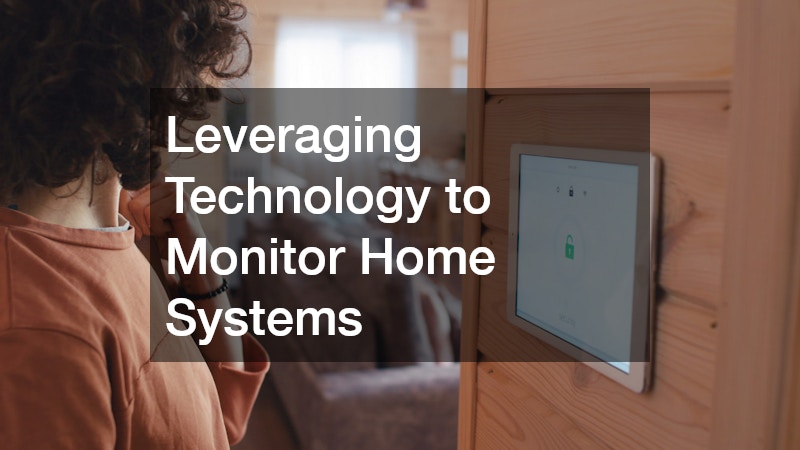
Modern technology offers innovative tools that help homeowners detect problems early. Smart devices provide real-time alerts, reducing the risk of costly repairs.
Smart Tools Worth Considering
- Water leak detectors
- Smart thermostats
- Electrical monitoring systems
- Automatic shutoff valves
- Roof and weather sensors
- Smart sump pumps
Advanced monitoring systems can detect issues that may otherwise require local plumbing repairs, saving homeowners from significant damage. Likewise, early alerts enable prompt electrical repairs, improving safety and efficiency.
Integrating technology into your home creates a proactive defense against unexpected repair costs.
Negotiating and Planning for Major Repairs
Large-scale repairs can strain any budget. Negotiating costs and planning strategically can significantly reduce financial pressure.
Tips for Managing Major Projects
- Request itemized quotes to identify cost-saving opportunities
- Ask about financing or payment plans
- Schedule repairs during off-peak seasons
- Explore energy-efficient upgrades for long-term savings
- Verify warranties on materials and labor
- Research local incentives and tax credits
When extensive work is required, consulting experienced roofing contractors ensures durability and value. Additionally, investing in timely residential roof repair prevents minor damage from escalating into costly structural issues.
Strategic planning helps homeowners manage major expenses without compromising quality.
Exploring Financing Options for Unexpected Repairs
Even with careful planning, some repairs exceed available savings. Understanding financing options enables homeowners to address urgent issues without delay.
Common Financing Solutions
- Home equity loans
- Home equity lines of credit (HELOCs)
- Personal loans
- Credit cards for short-term needs
- Contractor financing programs
- Government grants and assistance programs
Specialized services, such as well pump repair, may require immediate funding. Similarly, urgent situations involving a local septic service can benefit from flexible payment arrangements.
Exploring these options ensures that critical repairs are completed promptly while preserving financial stability.
Creating a Long-Term Home Maintenance Plan

A structured maintenance plan reduces the likelihood of unexpected expenses and supports long-term property value. Planning ahead allows homeowners to anticipate future needs and allocate resources effectively.
Annual Maintenance Schedule
Spring
- Inspect roofing and siding
- Clean gutters and downspouts
- Check outdoor plumbing fixtures
Summer
- Service air conditioning systems
- Examine foundations and drainage
- Inspect windows and doors
Fall
- Prepare heating systems
- Seal gaps and cracks
- Inspect insulation
Winter
- Monitor pipes for freezing
- Check smoke detectors
- Inspect indoor electrical systems
Routine maintenance helps minimize reliance on emergency services, including local plumbing repairs. Additionally, addressing minor issues promptly reduces the need for extensive electrical repairs.
A proactive plan ensures consistent upkeep, enhances efficiency, and protects your investment over time.
The Importance of Partnering with Reliable Professionals
Establishing relationships with trusted professionals simplifies the repair process and ensures high-quality work. Reliable experts provide guidance, transparency, and peace of mind when unexpected issues arise.
Qualities to Look For
- Proper licensing and insurance
- Positive customer reviews
- Transparent pricing
- Clear communication
- Proven industry experience
- Reliable warranties
Working with an experienced plumbing company ensures timely and efficient solutions for water-related emergencies. Likewise, collaborating with reputable plumbing contractors helps maintain your home’s critical systems with confidence.
Building a network of dependable professionals reduces stress and streamlines the repair process when challenges occur.
Preparing for Severe Weather and Natural Disasters
Extreme weather events can cause sudden and costly damage. From heavy rain and high winds to snowstorms and flooding, natural disasters often strike with little warning. Preparing your home in advance minimizes potential risks and helps prevent overwhelming repair expenses.
Steps to Protect Your Property
- Inspect your roof for loose or missing shingles.
- Seal windows and doors to prevent water intrusion.
- Trim trees and remove weak branches near structures.
- Install sump pumps and backup power systems.
- Secure outdoor furniture and equipment.
- Reinforce garage doors and entry points.
Severe storms frequently lead to roof repair due to wind or hail damage. Consulting experienced roofing contractors ensures prompt assessments and reliable restoration when emergencies occur.
Proactive planning reduces damage, enhances safety, and limits the financial impact of unexpected weather-related repairs.
Creating a Home Inventory to Support Financial Recovery
A detailed home inventory plays a crucial role in managing repair costs after damage or loss. Documenting your belongings simplifies insurance claims and provides clarity when assessing financial needs.
How to Build a Comprehensive Inventory
- Photograph each room from multiple angles.
- Record serial numbers and purchase dates.
- Save receipts and warranty documentation.
- Organize records digitally for easy access.
- Update the inventory annually.
- Store copies in secure cloud-based storage.
Maintaining accurate records ensures faster claims processing following incidents that require residential roof repair or well pump repair. With clear documentation, homeowners can verify losses and secure appropriate compensation without unnecessary delays.
A well-organized home inventory strengthens financial preparedness and provides peace of mind during unexpected situations.
In Conclusion, unexpected home repairs are an inevitable part of homeownership, but they do not have to derail your finances or disrupt your peace of mind. With strategic planning, preventative maintenance, and informed decision-making, homeowners can confidently navigate surprise expenses. Establishing emergency funds, investing in routine inspections, and leveraging modern technology all contribute to long-term stability and property protection.
By adopting these smart strategies, you can safeguard your investment, maintain a comfortable living environment, and face unexpected challenges with confidence and control.

Homeownership brings pride, stability, and a sense of accomplishment. Yet, even the most well-maintained properties face surprise repairs that disrupt daily life and strain finances. From sudden leaks to structural damage, unexpected issues can emerge without warning, leaving homeowners scrambling for solutions. Preparing for these situations requires foresight, planning, and practical knowledge.
Managing unforeseen repair expenses begins with understanding common risks and implementing preventative measures. A proactive approach helps reduce financial stress while protecting your investment. With the right strategies, homeowners can respond confidently to emergencies and maintain their properties without jeopardizing their budgets.
This guide explores actionable steps to anticipate, prepare for, and manage unexpected repair costs effectively. By adopting these smart strategies, you can protect your home and maintain financial stability, even when surprises arise.
Understanding the True Cost of Homeownership
Owning a home involves more than mortgage payments and property taxes. Hidden expenses often surface over time, particularly when aging systems or environmental factors come into play. Recognizing these costs early allows homeowners to prepare financially and avoid unnecessary stress.
Common unexpected expenses include:
- Structural damage from storms or natural wear
- Plumbing failures and water leaks
- Electrical malfunctions
- Roofing deterioration
- Foundation issues
- Septic and well system repairs
For instance, sudden leaks may require assistance from a reliable plumbing company, while severe weather can necessitate immediate roof repairs. These scenarios highlight the importance of anticipating potential problems and budgeting accordingly.
Understanding the full scope of homeownership expenses empowers you to make informed decisions. By acknowledging these realities, you can better safeguard your property and financial well-being.
Building an Emergency Home Repair Fund
One of the most effective ways to handle unforeseen repairs is to establish a dedicated emergency fund. This financial cushion provides peace of mind and ensures that urgent issues are addressed promptly.
How Much Should You Save?
Financial experts generally recommend setting aside 1% to 3% of your home’s value annually for maintenance and repairs. Older homes or those in harsh climates may require additional savings.
Steps to Create a Repair Fund
- Set a realistic goal: Base your target on your home’s age and condition.
- Create a dedicated account: Keep repair funds separate from everyday savings.
- Automate monthly contributions: Consistency ensures steady growth.
- Adjust contributions annually: Reevaluate based on property needs and market trends.
- Use windfalls wisely: Tax refunds or bonuses can boost your reserve.
Routine maintenance, such as using effective drain cleaners, can prevent costly damage. Likewise, addressing issues promptly through professional plumbing contractors minimizes the risk of escalating expenses.
A well-funded emergency account transforms unexpected repairs into manageable inconveniences rather than financial crises.
Scheduling Routine Inspections to Prevent Major Expenses
Preventive maintenance is one of the most reliable ways to avoid costly repairs. Regular inspections allow homeowners to identify minor issues before they evolve into expensive problems.
Key Areas to Inspect Annually
- Roofing and gutters
- Plumbing systems
- Electrical wiring
- HVAC systems
- Foundations and crawl spaces
- Septic and well systems
Routine evaluations by experienced roofing contractors can uncover hidden vulnerabilities before they worsen. Similarly, timely residential roof repair helps extend the lifespan of your home’s protective structure.
By investing in routine inspections, homeowners reduce the likelihood of unexpected expenses while maintaining safety and structural integrity.
Recognizing Early Warning Signs of Trouble
Many costly repairs begin as minor issues. Identifying these warning signs early can save thousands of dollars and prevent extensive damage.
Signs You Should Never Ignore
- Slow drains or persistent odors
- Water stains on ceilings or walls
- Flickering lights or frequent circuit breaker trips
- Unusual spikes in utility bills
- Damp basements or pooling water
- Cracked or missing shingles
Prompt action is critical. Seeking local plumbing repairs at the first sign of trouble can prevent extensive water damage. Likewise, scheduling electrical repairs when warning signs appear reduces safety risks and protects your home from potential hazards.
Awareness and swift response are key to minimizing repair costs and ensuring long-term peace of mind.
Comparing Estimates Before Hiring Professionals
When unexpected repairs arise, obtaining multiple quotes helps ensure fair pricing and quality service. Taking the time to compare professionals empowers homeowners to make confident decisions.
What to Look for in an Estimate
- Detailed breakdown of labor and materials
- Clear project timelines
- Licensing and insurance verification
- Warranty information
- Transparent pricing structures
For major projects, such as roof repair, consulting reputable roofing contractors provides insight into cost expectations. Gathering multiple estimates helps you identify competitive pricing without compromising quality.
Making informed comparisons prevents overspending and ensures that your home receives reliable, professional care.
Understanding Insurance Coverage and Home Warranties
Insurance policies and home warranties can significantly reduce the financial burden of unexpected repairs. However, understanding the scope of coverage is essential to maximizing their benefits.
Homeowners Insurance Typically Covers
- Storm and weather-related damage
- Fire and smoke damage
- Theft and vandalism
- Certain water-related incidents
Home Warranties Often Include
- Major appliances
- HVAC systems
- Plumbing components
- Electrical systems
For example, damages requiring well pump repair may qualify for coverage depending on your policy. Likewise, issues involving a local septic service may be partially covered under specialized plans.
Reviewing policy details annually ensures that your coverage aligns with your home’s needs and protects your finances from unexpected costs.
Prioritizing Repairs Based on Urgency
Not all repairs require immediate attention. Understanding which issues demand urgent action is crucial for homeowners, as it helps them effectively allocate resources and avoid unnecessary expenses. For instance, a leaky roof or a burst pipe should be prioritized due to the potential for water damage and mold growth, which can lead to costly repairs down the line. On the other hand, a small crack in the wall or a worn-out door handle, while they may need to be addressed eventually, can typically wait without significant risk.
Homeowners should also consider the potential impact of delaying certain repairs. An electrical issue, even if it seems minor, can pose serious safety risks and may escalate quickly if not handled promptly. It’s essential to conduct regular home maintenance checks to identify potential problems before they become major issues. This proactive approach not only saves money but also provides peace of mind. Ultimately, creating a prioritized list of repairs based on urgency and potential impact allows homeowners to manage their budgets more effectively while maintaining a safe and comfortable living environment.
High-Priority Repairs
- Electrical hazards
- Active leaks
- Structural damage
- Roofing failures
- Sewage backups
Moderate-Priority Repairs
- Minor leaks
- Cosmetic damage
- Aging fixtures
- Insulation concerns
Low-Priority Repairs
- Cosmetic upgrades
- Non-essential improvements
- Minor wear and tear
In emergency situations, contacting a reputable plumbing company ensures the quick resolution of water-related problems. Similarly, professional electrical repairs address safety concerns before they escalate into dangerous situations.
Prioritizing repairs allows homeowners to manage costs strategically while maintaining a safe and functional living environment.
Embracing Preventive Maintenance to Reduce Expenses
Preventive maintenance is a cornerstone of responsible homeownership. By addressing small concerns early, you can avoid extensive damage and expensive repairs.
Preventive Maintenance Checklist
- Clean gutters and downspouts twice a year
- Inspect the roofing after severe weather
- Test smoke and carbon monoxide detectors
- Service HVAC systems annually
- Check for leaks under sinks and appliances
- Inspect caulking around windows and doors
- Flush water heaters periodically
Using effective drain cleaners helps prevent clogs and backups, while routine inspections by experienced plumbing contractors keep your water systems functioning efficiently.
Consistent maintenance minimizes unexpected expenses and extends the lifespan of essential home systems.
Leveraging Technology to Monitor Home Systems
Modern technology offers innovative tools that help homeowners detect problems early. Smart devices provide real-time alerts, reducing the risk of costly repairs.
Smart Tools Worth Considering
- Water leak detectors
- Smart thermostats
- Electrical monitoring systems
- Automatic shutoff valves
- Roof and weather sensors
- Smart sump pumps
Advanced monitoring systems can detect issues that may otherwise require local plumbing repairs, saving homeowners from significant damage. Likewise, early alerts enable prompt electrical repairs, improving safety and efficiency.
Integrating technology into your home creates a proactive defense against unexpected repair costs.
Negotiating and Planning for Major Repairs
Large-scale repairs can strain any budget. Negotiating costs and planning strategically can significantly reduce financial pressure.
Tips for Managing Major Projects
- Request itemized quotes to identify cost-saving opportunities
- Ask about financing or payment plans
- Schedule repairs during off-peak seasons
- Explore energy-efficient upgrades for long-term savings
- Verify warranties on materials and labor
- Research local incentives and tax credits
When extensive work is required, consulting experienced roofing contractors ensures durability and value. Additionally, investing in timely residential roof repair prevents minor damage from escalating into costly structural issues.
Strategic planning helps homeowners manage major expenses without compromising quality.
Exploring Financing Options for Unexpected Repairs
Even with careful planning, some repairs exceed available savings. Understanding financing options enables homeowners to address urgent issues without delay.
Common Financing Solutions
- Home equity loans
- Home equity lines of credit (HELOCs)
- Personal loans
- Credit cards for short-term needs
- Contractor financing programs
- Government grants and assistance programs
Specialized services, such as well pump repair, may require immediate funding. Similarly, urgent situations involving a local septic service can benefit from flexible payment arrangements.
Exploring these options ensures that critical repairs are completed promptly while preserving financial stability.
Creating a Long-Term Home Maintenance Plan
A structured maintenance plan reduces the likelihood of unexpected expenses and supports long-term property value. Planning ahead allows homeowners to anticipate future needs and allocate resources effectively.
Annual Maintenance Schedule
Spring
- Inspect roofing and siding
- Clean gutters and downspouts
- Check outdoor plumbing fixtures
Summer
- Service air conditioning systems
- Examine foundations and drainage
- Inspect windows and doors
Fall
- Prepare heating systems
- Seal gaps and cracks
- Inspect insulation
Winter
- Monitor pipes for freezing
- Check smoke detectors
- Inspect indoor electrical systems
Routine maintenance helps minimize reliance on emergency services, including local plumbing repairs. Additionally, addressing minor issues promptly reduces the need for extensive electrical repairs.
A proactive plan ensures consistent upkeep, enhances efficiency, and protects your investment over time.
The Importance of Partnering with Reliable Professionals
Establishing relationships with trusted professionals simplifies the repair process and ensures high-quality work. Reliable experts provide guidance, transparency, and peace of mind when unexpected issues arise.
Qualities to Look For
- Proper licensing and insurance
- Positive customer reviews
- Transparent pricing
- Clear communication
- Proven industry experience
- Reliable warranties
Working with an experienced plumbing company ensures timely and efficient solutions for water-related emergencies. Likewise, collaborating with reputable plumbing contractors helps maintain your home’s critical systems with confidence.
Building a network of dependable professionals reduces stress and streamlines the repair process when challenges occur.
Preparing for Severe Weather and Natural Disasters
Extreme weather events can cause sudden and costly damage. From heavy rain and high winds to snowstorms and flooding, natural disasters often strike with little warning. Preparing your home in advance minimizes potential risks and helps prevent overwhelming repair expenses.
Steps to Protect Your Property
- Inspect your roof for loose or missing shingles.
- Seal windows and doors to prevent water intrusion.
- Trim trees and remove weak branches near structures.
- Install sump pumps and backup power systems.
- Secure outdoor furniture and equipment.
- Reinforce garage doors and entry points.
Severe storms frequently lead to roof repair due to wind or hail damage. Consulting experienced roofing contractors ensures prompt assessments and reliable restoration when emergencies occur.
Proactive planning reduces damage, enhances safety, and limits the financial impact of unexpected weather-related repairs.
Creating a Home Inventory to Support Financial Recovery
A detailed home inventory plays a crucial role in managing repair costs after damage or loss. Documenting your belongings simplifies insurance claims and provides clarity when assessing financial needs.
How to Build a Comprehensive Inventory
- Photograph each room from multiple angles.
- Record serial numbers and purchase dates.
- Save receipts and warranty documentation.
- Organize records digitally for easy access.
- Update the inventory annually.
- Store copies in secure cloud-based storage.
Maintaining accurate records ensures faster claims processing following incidents that require residential roof repair or well pump repair. With clear documentation, homeowners can verify losses and secure appropriate compensation without unnecessary delays.
A well-organized home inventory strengthens financial preparedness and provides peace of mind during unexpected situations.
In Conclusion, unexpected home repairs are an inevitable part of homeownership, but they do not have to derail your finances or disrupt your peace of mind. With strategic planning, preventative maintenance, and informed decision-making, homeowners can confidently navigate surprise expenses. Establishing emergency funds, investing in routine inspections, and leveraging modern technology all contribute to long-term stability and property protection.
By adopting these smart strategies, you can safeguard your investment, maintain a comfortable living environment, and face unexpected challenges with confidence and control.

Homeownership brings pride, stability, and a sense of accomplishment. Yet, even the most well-maintained properties face surprise repairs that disrupt daily life and strain finances. From sudden leaks to structural damage, unexpected issues can emerge without warning, leaving homeowners scrambling for solutions. Preparing for these situations requires foresight, planning, and practical knowledge.
Managing unforeseen repair expenses begins with understanding common risks and implementing preventative measures. A proactive approach helps reduce financial stress while protecting your investment. With the right strategies, homeowners can respond confidently to emergencies and maintain their properties without jeopardizing their budgets.
This guide explores actionable steps to anticipate, prepare for, and manage unexpected repair costs effectively. By adopting these smart strategies, you can protect your home and maintain financial stability, even when surprises arise.
Understanding the True Cost of Homeownership
Owning a home involves more than mortgage payments and property taxes. Hidden expenses often surface over time, particularly when aging systems or environmental factors come into play. Recognizing these costs early allows homeowners to prepare financially and avoid unnecessary stress.
Common unexpected expenses include:
- Structural damage from storms or natural wear
- Plumbing failures and water leaks
- Electrical malfunctions
- Roofing deterioration
- Foundation issues
- Septic and well system repairs
For instance, sudden leaks may require assistance from a reliable plumbing company, while severe weather can necessitate immediate roof repairs. These scenarios highlight the importance of anticipating potential problems and budgeting accordingly.
Understanding the full scope of homeownership expenses empowers you to make informed decisions. By acknowledging these realities, you can better safeguard your property and financial well-being.
Building an Emergency Home Repair Fund
One of the most effective ways to handle unforeseen repairs is to establish a dedicated emergency fund. This financial cushion provides peace of mind and ensures that urgent issues are addressed promptly.
How Much Should You Save?
Financial experts generally recommend setting aside 1% to 3% of your home’s value annually for maintenance and repairs. Older homes or those in harsh climates may require additional savings.
Steps to Create a Repair Fund
- Set a realistic goal: Base your target on your home’s age and condition.
- Create a dedicated account: Keep repair funds separate from everyday savings.
- Automate monthly contributions: Consistency ensures steady growth.
- Adjust contributions annually: Reevaluate based on property needs and market trends.
- Use windfalls wisely: Tax refunds or bonuses can boost your reserve.
Routine maintenance, such as using effective drain cleaners, can prevent costly damage. Likewise, addressing issues promptly through professional plumbing contractors minimizes the risk of escalating expenses.
A well-funded emergency account transforms unexpected repairs into manageable inconveniences rather than financial crises.
Scheduling Routine Inspections to Prevent Major Expenses
Preventive maintenance is one of the most reliable ways to avoid costly repairs. Regular inspections allow homeowners to identify minor issues before they evolve into expensive problems.
Key Areas to Inspect Annually
- Roofing and gutters
- Plumbing systems
- Electrical wiring
- HVAC systems
- Foundations and crawl spaces
- Septic and well systems
Routine evaluations by experienced roofing contractors can uncover hidden vulnerabilities before they worsen. Similarly, timely residential roof repair helps extend the lifespan of your home’s protective structure.
By investing in routine inspections, homeowners reduce the likelihood of unexpected expenses while maintaining safety and structural integrity.
Recognizing Early Warning Signs of Trouble
Many costly repairs begin as minor issues. Identifying these warning signs early can save thousands of dollars and prevent extensive damage.
Signs You Should Never Ignore
- Slow drains or persistent odors
- Water stains on ceilings or walls
- Flickering lights or frequent circuit breaker trips
- Unusual spikes in utility bills
- Damp basements or pooling water
- Cracked or missing shingles
Prompt action is critical. Seeking local plumbing repairs at the first sign of trouble can prevent extensive water damage. Likewise, scheduling electrical repairs when warning signs appear reduces safety risks and protects your home from potential hazards.
Awareness and swift response are key to minimizing repair costs and ensuring long-term peace of mind.
Comparing Estimates Before Hiring Professionals
When unexpected repairs arise, obtaining multiple quotes helps ensure fair pricing and quality service. Taking the time to compare professionals empowers homeowners to make confident decisions.
What to Look for in an Estimate
- Detailed breakdown of labor and materials
- Clear project timelines
- Licensing and insurance verification
- Warranty information
- Transparent pricing structures
For major projects, such as roof repair, consulting reputable roofing contractors provides insight into cost expectations. Gathering multiple estimates helps you identify competitive pricing without compromising quality.
Making informed comparisons prevents overspending and ensures that your home receives reliable, professional care.
Understanding Insurance Coverage and Home Warranties
Insurance policies and home warranties can significantly reduce the financial burden of unexpected repairs. However, understanding the scope of coverage is essential to maximizing their benefits.
Homeowners Insurance Typically Covers
- Storm and weather-related damage
- Fire and smoke damage
- Theft and vandalism
- Certain water-related incidents
Home Warranties Often Include
- Major appliances
- HVAC systems
- Plumbing components
- Electrical systems
For example, damages requiring well pump repair may qualify for coverage depending on your policy. Likewise, issues involving a local septic service may be partially covered under specialized plans.
Reviewing policy details annually ensures that your coverage aligns with your home’s needs and protects your finances from unexpected costs.
Prioritizing Repairs Based on Urgency
Not all repairs require immediate attention. Understanding which issues demand urgent action is crucial for homeowners, as it helps them effectively allocate resources and avoid unnecessary expenses. For instance, a leaky roof or a burst pipe should be prioritized due to the potential for water damage and mold growth, which can lead to costly repairs down the line. On the other hand, a small crack in the wall or a worn-out door handle, while they may need to be addressed eventually, can typically wait without significant risk.
Homeowners should also consider the potential impact of delaying certain repairs. An electrical issue, even if it seems minor, can pose serious safety risks and may escalate quickly if not handled promptly. It’s essential to conduct regular home maintenance checks to identify potential problems before they become major issues. This proactive approach not only saves money but also provides peace of mind. Ultimately, creating a prioritized list of repairs based on urgency and potential impact allows homeowners to manage their budgets more effectively while maintaining a safe and comfortable living environment.
High-Priority Repairs
- Electrical hazards
- Active leaks
- Structural damage
- Roofing failures
- Sewage backups
Moderate-Priority Repairs
- Minor leaks
- Cosmetic damage
- Aging fixtures
- Insulation concerns
Low-Priority Repairs
- Cosmetic upgrades
- Non-essential improvements
- Minor wear and tear
In emergency situations, contacting a reputable plumbing company ensures the quick resolution of water-related problems. Similarly, professional electrical repairs address safety concerns before they escalate into dangerous situations.
Prioritizing repairs allows homeowners to manage costs strategically while maintaining a safe and functional living environment.
Embracing Preventive Maintenance to Reduce Expenses
Preventive maintenance is a cornerstone of responsible homeownership. By addressing small concerns early, you can avoid extensive damage and expensive repairs.
Preventive Maintenance Checklist
- Clean gutters and downspouts twice a year
- Inspect the roofing after severe weather
- Test smoke and carbon monoxide detectors
- Service HVAC systems annually
- Check for leaks under sinks and appliances
- Inspect caulking around windows and doors
- Flush water heaters periodically
Using effective drain cleaners helps prevent clogs and backups, while routine inspections by experienced plumbing contractors keep your water systems functioning efficiently.
Consistent maintenance minimizes unexpected expenses and extends the lifespan of essential home systems.
Leveraging Technology to Monitor Home Systems
Modern technology offers innovative tools that help homeowners detect problems early. Smart devices provide real-time alerts, reducing the risk of costly repairs.
Smart Tools Worth Considering
- Water leak detectors
- Smart thermostats
- Electrical monitoring systems
- Automatic shutoff valves
- Roof and weather sensors
- Smart sump pumps
Advanced monitoring systems can detect issues that may otherwise require local plumbing repairs, saving homeowners from significant damage. Likewise, early alerts enable prompt electrical repairs, improving safety and efficiency.
Integrating technology into your home creates a proactive defense against unexpected repair costs.
Negotiating and Planning for Major Repairs
Large-scale repairs can strain any budget. Negotiating costs and planning strategically can significantly reduce financial pressure.
Tips for Managing Major Projects
- Request itemized quotes to identify cost-saving opportunities
- Ask about financing or payment plans
- Schedule repairs during off-peak seasons
- Explore energy-efficient upgrades for long-term savings
- Verify warranties on materials and labor
- Research local incentives and tax credits
When extensive work is required, consulting experienced roofing contractors ensures durability and value. Additionally, investing in timely residential roof repair prevents minor damage from escalating into costly structural issues.
Strategic planning helps homeowners manage major expenses without compromising quality.
Exploring Financing Options for Unexpected Repairs
Even with careful planning, some repairs exceed available savings. Understanding financing options enables homeowners to address urgent issues without delay.
Common Financing Solutions
- Home equity loans
- Home equity lines of credit (HELOCs)
- Personal loans
- Credit cards for short-term needs
- Contractor financing programs
- Government grants and assistance programs
Specialized services, such as well pump repair, may require immediate funding. Similarly, urgent situations involving a local septic service can benefit from flexible payment arrangements.
Exploring these options ensures that critical repairs are completed promptly while preserving financial stability.
Creating a Long-Term Home Maintenance Plan
A structured maintenance plan reduces the likelihood of unexpected expenses and supports long-term property value. Planning ahead allows homeowners to anticipate future needs and allocate resources effectively.
Annual Maintenance Schedule
Spring
- Inspect roofing and siding
- Clean gutters and downspouts
- Check outdoor plumbing fixtures
Summer
- Service air conditioning systems
- Examine foundations and drainage
- Inspect windows and doors
Fall
- Prepare heating systems
- Seal gaps and cracks
- Inspect insulation
Winter
- Monitor pipes for freezing
- Check smoke detectors
- Inspect indoor electrical systems
Routine maintenance helps minimize reliance on emergency services, including local plumbing repairs. Additionally, addressing minor issues promptly reduces the need for extensive electrical repairs.
A proactive plan ensures consistent upkeep, enhances efficiency, and protects your investment over time.
The Importance of Partnering with Reliable Professionals
Establishing relationships with trusted professionals simplifies the repair process and ensures high-quality work. Reliable experts provide guidance, transparency, and peace of mind when unexpected issues arise.
Qualities to Look For
- Proper licensing and insurance
- Positive customer reviews
- Transparent pricing
- Clear communication
- Proven industry experience
- Reliable warranties
Working with an experienced plumbing company ensures timely and efficient solutions for water-related emergencies. Likewise, collaborating with reputable plumbing contractors helps maintain your home’s critical systems with confidence.
Building a network of dependable professionals reduces stress and streamlines the repair process when challenges occur.
Preparing for Severe Weather and Natural Disasters
Extreme weather events can cause sudden and costly damage. From heavy rain and high winds to snowstorms and flooding, natural disasters often strike with little warning. Preparing your home in advance minimizes potential risks and helps prevent overwhelming repair expenses.
Steps to Protect Your Property
- Inspect your roof for loose or missing shingles.
- Seal windows and doors to prevent water intrusion.
- Trim trees and remove weak branches near structures.
- Install sump pumps and backup power systems.
- Secure outdoor furniture and equipment.
- Reinforce garage doors and entry points.
Severe storms frequently lead to roof repair due to wind or hail damage. Consulting experienced roofing contractors ensures prompt assessments and reliable restoration when emergencies occur.
Proactive planning reduces damage, enhances safety, and limits the financial impact of unexpected weather-related repairs.
Creating a Home Inventory to Support Financial Recovery
A detailed home inventory plays a crucial role in managing repair costs after damage or loss. Documenting your belongings simplifies insurance claims and provides clarity when assessing financial needs.
How to Build a Comprehensive Inventory
- Photograph each room from multiple angles.
- Record serial numbers and purchase dates.
- Save receipts and warranty documentation.
- Organize records digitally for easy access.
- Update the inventory annually.
- Store copies in secure cloud-based storage.
Maintaining accurate records ensures faster claims processing following incidents that require residential roof repair or well pump repair. With clear documentation, homeowners can verify losses and secure appropriate compensation without unnecessary delays.
A well-organized home inventory strengthens financial preparedness and provides peace of mind during unexpected situations.
In Conclusion, unexpected home repairs are an inevitable part of homeownership, but they do not have to derail your finances or disrupt your peace of mind. With strategic planning, preventative maintenance, and informed decision-making, homeowners can confidently navigate surprise expenses. Establishing emergency funds, investing in routine inspections, and leveraging modern technology all contribute to long-term stability and property protection.
By adopting these smart strategies, you can safeguard your investment, maintain a comfortable living environment, and face unexpected challenges with confidence and control.

Homeownership brings pride, stability, and a sense of accomplishment. Yet, even the most well-maintained properties face surprise repairs that disrupt daily life and strain finances. From sudden leaks to structural damage, unexpected issues can emerge without warning, leaving homeowners scrambling for solutions. Preparing for these situations requires foresight, planning, and practical knowledge.
Managing unforeseen repair expenses begins with understanding common risks and implementing preventative measures. A proactive approach helps reduce financial stress while protecting your investment. With the right strategies, homeowners can respond confidently to emergencies and maintain their properties without jeopardizing their budgets.
This guide explores actionable steps to anticipate, prepare for, and manage unexpected repair costs effectively. By adopting these smart strategies, you can protect your home and maintain financial stability, even when surprises arise.
Understanding the True Cost of Homeownership
Owning a home involves more than mortgage payments and property taxes. Hidden expenses often surface over time, particularly when aging systems or environmental factors come into play. Recognizing these costs early allows homeowners to prepare financially and avoid unnecessary stress.
Common unexpected expenses include:
- Structural damage from storms or natural wear
- Plumbing failures and water leaks
- Electrical malfunctions
- Roofing deterioration
- Foundation issues
- Septic and well system repairs
For instance, sudden leaks may require assistance from a reliable plumbing company, while severe weather can necessitate immediate roof repairs. These scenarios highlight the importance of anticipating potential problems and budgeting accordingly.
Understanding the full scope of homeownership expenses empowers you to make informed decisions. By acknowledging these realities, you can better safeguard your property and financial well-being.
Building an Emergency Home Repair Fund
One of the most effective ways to handle unforeseen repairs is to establish a dedicated emergency fund. This financial cushion provides peace of mind and ensures that urgent issues are addressed promptly.
How Much Should You Save?
Financial experts generally recommend setting aside 1% to 3% of your home’s value annually for maintenance and repairs. Older homes or those in harsh climates may require additional savings.
Steps to Create a Repair Fund
- Set a realistic goal: Base your target on your home’s age and condition.
- Create a dedicated account: Keep repair funds separate from everyday savings.
- Automate monthly contributions: Consistency ensures steady growth.
- Adjust contributions annually: Reevaluate based on property needs and market trends.
- Use windfalls wisely: Tax refunds or bonuses can boost your reserve.
Routine maintenance, such as using effective drain cleaners, can prevent costly damage. Likewise, addressing issues promptly through professional plumbing contractors minimizes the risk of escalating expenses.
A well-funded emergency account transforms unexpected repairs into manageable inconveniences rather than financial crises.
Scheduling Routine Inspections to Prevent Major Expenses
Preventive maintenance is one of the most reliable ways to avoid costly repairs. Regular inspections allow homeowners to identify minor issues before they evolve into expensive problems.
Key Areas to Inspect Annually
- Roofing and gutters
- Plumbing systems
- Electrical wiring
- HVAC systems
- Foundations and crawl spaces
- Septic and well systems
Routine evaluations by experienced roofing contractors can uncover hidden vulnerabilities before they worsen. Similarly, timely residential roof repair helps extend the lifespan of your home’s protective structure.
By investing in routine inspections, homeowners reduce the likelihood of unexpected expenses while maintaining safety and structural integrity.
Recognizing Early Warning Signs of Trouble
Many costly repairs begin as minor issues. Identifying these warning signs early can save thousands of dollars and prevent extensive damage.
Signs You Should Never Ignore
- Slow drains or persistent odors
- Water stains on ceilings or walls
- Flickering lights or frequent circuit breaker trips
- Unusual spikes in utility bills
- Damp basements or pooling water
- Cracked or missing shingles
Prompt action is critical. Seeking local plumbing repairs at the first sign of trouble can prevent extensive water damage. Likewise, scheduling electrical repairs when warning signs appear reduces safety risks and protects your home from potential hazards.
Awareness and swift response are key to minimizing repair costs and ensuring long-term peace of mind.
Comparing Estimates Before Hiring Professionals
When unexpected repairs arise, obtaining multiple quotes helps ensure fair pricing and quality service. Taking the time to compare professionals empowers homeowners to make confident decisions.
What to Look for in an Estimate
- Detailed breakdown of labor and materials
- Clear project timelines
- Licensing and insurance verification
- Warranty information
- Transparent pricing structures
For major projects, such as roof repair, consulting reputable roofing contractors provides insight into cost expectations. Gathering multiple estimates helps you identify competitive pricing without compromising quality.
Making informed comparisons prevents overspending and ensures that your home receives reliable, professional care.
Understanding Insurance Coverage and Home Warranties
Insurance policies and home warranties can significantly reduce the financial burden of unexpected repairs. However, understanding the scope of coverage is essential to maximizing their benefits.
Homeowners Insurance Typically Covers
- Storm and weather-related damage
- Fire and smoke damage
- Theft and vandalism
- Certain water-related incidents
Home Warranties Often Include
- Major appliances
- HVAC systems
- Plumbing components
- Electrical systems
For example, damages requiring well pump repair may qualify for coverage depending on your policy. Likewise, issues involving a local septic service may be partially covered under specialized plans.
Reviewing policy details annually ensures that your coverage aligns with your home’s needs and protects your finances from unexpected costs.
Prioritizing Repairs Based on Urgency
Not all repairs require immediate attention. Understanding which issues demand urgent action is crucial for homeowners, as it helps them effectively allocate resources and avoid unnecessary expenses. For instance, a leaky roof or a burst pipe should be prioritized due to the potential for water damage and mold growth, which can lead to costly repairs down the line. On the other hand, a small crack in the wall or a worn-out door handle, while they may need to be addressed eventually, can typically wait without significant risk.
Homeowners should also consider the potential impact of delaying certain repairs. An electrical issue, even if it seems minor, can pose serious safety risks and may escalate quickly if not handled promptly. It’s essential to conduct regular home maintenance checks to identify potential problems before they become major issues. This proactive approach not only saves money but also provides peace of mind. Ultimately, creating a prioritized list of repairs based on urgency and potential impact allows homeowners to manage their budgets more effectively while maintaining a safe and comfortable living environment.
High-Priority Repairs
- Electrical hazards
- Active leaks
- Structural damage
- Roofing failures
- Sewage backups
Moderate-Priority Repairs
- Minor leaks
- Cosmetic damage
- Aging fixtures
- Insulation concerns
Low-Priority Repairs
- Cosmetic upgrades
- Non-essential improvements
- Minor wear and tear
In emergency situations, contacting a reputable plumbing company ensures the quick resolution of water-related problems. Similarly, professional electrical repairs address safety concerns before they escalate into dangerous situations.
Prioritizing repairs allows homeowners to manage costs strategically while maintaining a safe and functional living environment.
Embracing Preventive Maintenance to Reduce Expenses
Preventive maintenance is a cornerstone of responsible homeownership. By addressing small concerns early, you can avoid extensive damage and expensive repairs.
Preventive Maintenance Checklist
- Clean gutters and downspouts twice a year
- Inspect the roofing after severe weather
- Test smoke and carbon monoxide detectors
- Service HVAC systems annually
- Check for leaks under sinks and appliances
- Inspect caulking around windows and doors
- Flush water heaters periodically
Using effective drain cleaners helps prevent clogs and backups, while routine inspections by experienced plumbing contractors keep your water systems functioning efficiently.
Consistent maintenance minimizes unexpected expenses and extends the lifespan of essential home systems.
Leveraging Technology to Monitor Home Systems
Modern technology offers innovative tools that help homeowners detect problems early. Smart devices provide real-time alerts, reducing the risk of costly repairs.
Smart Tools Worth Considering
- Water leak detectors
- Smart thermostats
- Electrical monitoring systems
- Automatic shutoff valves
- Roof and weather sensors
- Smart sump pumps
Advanced monitoring systems can detect issues that may otherwise require local plumbing repairs, saving homeowners from significant damage. Likewise, early alerts enable prompt electrical repairs, improving safety and efficiency.
Integrating technology into your home creates a proactive defense against unexpected repair costs.
Negotiating and Planning for Major Repairs
Large-scale repairs can strain any budget. Negotiating costs and planning strategically can significantly reduce financial pressure.
Tips for Managing Major Projects
- Request itemized quotes to identify cost-saving opportunities
- Ask about financing or payment plans
- Schedule repairs during off-peak seasons
- Explore energy-efficient upgrades for long-term savings
- Verify warranties on materials and labor
- Research local incentives and tax credits
When extensive work is required, consulting experienced roofing contractors ensures durability and value. Additionally, investing in timely residential roof repair prevents minor damage from escalating into costly structural issues.
Strategic planning helps homeowners manage major expenses without compromising quality.
Exploring Financing Options for Unexpected Repairs
Even with careful planning, some repairs exceed available savings. Understanding financing options enables homeowners to address urgent issues without delay.
Common Financing Solutions
- Home equity loans
- Home equity lines of credit (HELOCs)
- Personal loans
- Credit cards for short-term needs
- Contractor financing programs
- Government grants and assistance programs
Specialized services, such as well pump repair, may require immediate funding. Similarly, urgent situations involving a local septic service can benefit from flexible payment arrangements.
Exploring these options ensures that critical repairs are completed promptly while preserving financial stability.
Creating a Long-Term Home Maintenance Plan
A structured maintenance plan reduces the likelihood of unexpected expenses and supports long-term property value. Planning ahead allows homeowners to anticipate future needs and allocate resources effectively.
Annual Maintenance Schedule
Spring
- Inspect roofing and siding
- Clean gutters and downspouts
- Check outdoor plumbing fixtures
Summer
- Service air conditioning systems
- Examine foundations and drainage
- Inspect windows and doors
Fall
- Prepare heating systems
- Seal gaps and cracks
- Inspect insulation
Winter
- Monitor pipes for freezing
- Check smoke detectors
- Inspect indoor electrical systems
Routine maintenance helps minimize reliance on emergency services, including local plumbing repairs. Additionally, addressing minor issues promptly reduces the need for extensive electrical repairs.
A proactive plan ensures consistent upkeep, enhances efficiency, and protects your investment over time.
The Importance of Partnering with Reliable Professionals
Establishing relationships with trusted professionals simplifies the repair process and ensures high-quality work. Reliable experts provide guidance, transparency, and peace of mind when unexpected issues arise.
Qualities to Look For
- Proper licensing and insurance
- Positive customer reviews
- Transparent pricing
- Clear communication
- Proven industry experience
- Reliable warranties
Working with an experienced plumbing company ensures timely and efficient solutions for water-related emergencies. Likewise, collaborating with reputable plumbing contractors helps maintain your home’s critical systems with confidence.
Building a network of dependable professionals reduces stress and streamlines the repair process when challenges occur.
Preparing for Severe Weather and Natural Disasters
Extreme weather events can cause sudden and costly damage. From heavy rain and high winds to snowstorms and flooding, natural disasters often strike with little warning. Preparing your home in advance minimizes potential risks and helps prevent overwhelming repair expenses.
Steps to Protect Your Property
- Inspect your roof for loose or missing shingles.
- Seal windows and doors to prevent water intrusion.
- Trim trees and remove weak branches near structures.
- Install sump pumps and backup power systems.
- Secure outdoor furniture and equipment.
- Reinforce garage doors and entry points.
Severe storms frequently lead to roof repair due to wind or hail damage. Consulting experienced roofing contractors ensures prompt assessments and reliable restoration when emergencies occur.
Proactive planning reduces damage, enhances safety, and limits the financial impact of unexpected weather-related repairs.
Creating a Home Inventory to Support Financial Recovery
A detailed home inventory plays a crucial role in managing repair costs after damage or loss. Documenting your belongings simplifies insurance claims and provides clarity when assessing financial needs.
How to Build a Comprehensive Inventory
- Photograph each room from multiple angles.
- Record serial numbers and purchase dates.
- Save receipts and warranty documentation.
- Organize records digitally for easy access.
- Update the inventory annually.
- Store copies in secure cloud-based storage.
Maintaining accurate records ensures faster claims processing following incidents that require residential roof repair or well pump repair. With clear documentation, homeowners can verify losses and secure appropriate compensation without unnecessary delays.
A well-organized home inventory strengthens financial preparedness and provides peace of mind during unexpected situations.
In Conclusion, unexpected home repairs are an inevitable part of homeownership, but they do not have to derail your finances or disrupt your peace of mind. With strategic planning, preventative maintenance, and informed decision-making, homeowners can confidently navigate surprise expenses. Establishing emergency funds, investing in routine inspections, and leveraging modern technology all contribute to long-term stability and property protection.
By adopting these smart strategies, you can safeguard your investment, maintain a comfortable living environment, and face unexpected challenges with confidence and control.
Homeownership brings pride, stability, and a sense of accomplishment. Yet, even the most well-maintained properties face surprise repairs that disrupt daily life and strain finances. From sudden leaks to structural damage, unexpected issues can emerge without warning, leaving homeowners scrambling for solutions. Preparing for these situations requires foresight, planning, and practical knowledge.
Managing unforeseen repair expenses begins with understanding common risks and implementing preventative measures. A proactive approach helps reduce financial stress while protecting your investment. With the right strategies, homeowners can respond confidently to emergencies and maintain their properties without jeopardizing their budgets.
This guide explores actionable steps to anticipate, prepare for, and manage unexpected repair costs effectively. By adopting these smart strategies, you can protect your home and maintain financial stability, even when surprises arise.
Understanding the True Cost of Homeownership
Owning a home involves more than mortgage payments and property taxes. Hidden expenses often surface over time, particularly when aging systems or environmental factors come into play. Recognizing these costs early allows homeowners to prepare financially and avoid unnecessary stress.
Common unexpected expenses include:
- Structural damage from storms or natural wear
- Plumbing failures and water leaks
- Electrical malfunctions
- Roofing deterioration
- Foundation issues
- Septic and well system repairs
For instance, sudden leaks may require assistance from a reliable plumbing company, while severe weather can necessitate immediate roof repairs. These scenarios highlight the importance of anticipating potential problems and budgeting accordingly.
Understanding the full scope of homeownership expenses empowers you to make informed decisions. By acknowledging these realities, you can better safeguard your property and financial well-being.
Building an Emergency Home Repair Fund
One of the most effective ways to handle unforeseen repairs is to establish a dedicated emergency fund. This financial cushion provides peace of mind and ensures that urgent issues are addressed promptly.
How Much Should You Save?
Financial experts generally recommend setting aside 1% to 3% of your home’s value annually for maintenance and repairs. Older homes or those in harsh climates may require additional savings.
Steps to Create a Repair Fund
- Set a realistic goal: Base your target on your home’s age and condition.
- Create a dedicated account: Keep repair funds separate from everyday savings.
- Automate monthly contributions: Consistency ensures steady growth.
- Adjust contributions annually: Reevaluate based on property needs and market trends.
- Use windfalls wisely: Tax refunds or bonuses can boost your reserve.
Routine maintenance, such as using effective drain cleaners, can prevent costly damage. Likewise, addressing issues promptly through professional plumbing contractors minimizes the risk of escalating expenses.
A well-funded emergency account transforms unexpected repairs into manageable inconveniences rather than financial crises.
Scheduling Routine Inspections to Prevent Major Expenses
Preventive maintenance is one of the most reliable ways to avoid costly repairs. Regular inspections allow homeowners to identify minor issues before they evolve into expensive problems.
Key Areas to Inspect Annually
- Roofing and gutters
- Plumbing systems
- Electrical wiring
- HVAC systems
- Foundations and crawl spaces
- Septic and well systems
Routine evaluations by experienced roofing contractors can uncover hidden vulnerabilities before they worsen. Similarly, timely residential roof repair helps extend the lifespan of your home’s protective structure.
By investing in routine inspections, homeowners reduce the likelihood of unexpected expenses while maintaining safety and structural integrity.
Recognizing Early Warning Signs of Trouble
Many costly repairs begin as minor issues. Identifying these warning signs early can save thousands of dollars and prevent extensive damage.
Signs You Should Never Ignore
- Slow drains or persistent odors
- Water stains on ceilings or walls
- Flickering lights or frequent circuit breaker trips
- Unusual spikes in utility bills
- Damp basements or pooling water
- Cracked or missing shingles
Prompt action is critical. Seeking local plumbing repairs at the first sign of trouble can prevent extensive water damage. Likewise, scheduling electrical repairs when warning signs appear reduces safety risks and protects your home from potential hazards.
Awareness and swift response are key to minimizing repair costs and ensuring long-term peace of mind.
Comparing Estimates Before Hiring Professionals
When unexpected repairs arise, obtaining multiple quotes helps ensure fair pricing and quality service. Taking the time to compare professionals empowers homeowners to make confident decisions.
What to Look for in an Estimate
- Detailed breakdown of labor and materials
- Clear project timelines
- Licensing and insurance verification
- Warranty information
- Transparent pricing structures
For major projects, such as roof repair, consulting reputable roofing contractors provides insight into cost expectations. Gathering multiple estimates helps you identify competitive pricing without compromising quality.
Making informed comparisons prevents overspending and ensures that your home receives reliable, professional care.
Understanding Insurance Coverage and Home Warranties
Insurance policies and home warranties can significantly reduce the financial burden of unexpected repairs. However, understanding the scope of coverage is essential to maximizing their benefits.
Homeowners Insurance Typically Covers
- Storm and weather-related damage
- Fire and smoke damage
- Theft and vandalism
- Certain water-related incidents
Home Warranties Often Include
- Major appliances
- HVAC systems
- Plumbing components
- Electrical systems
For example, damages requiring well pump repair may qualify for coverage depending on your policy. Likewise, issues involving a local septic service may be partially covered under specialized plans.
Reviewing policy details annually ensures that your coverage aligns with your home’s needs and protects your finances from unexpected costs.
Prioritizing Repairs Based on Urgency
Not all repairs require immediate attention. Understanding which issues demand urgent action is crucial for homeowners, as it helps them effectively allocate resources and avoid unnecessary expenses. For instance, a leaky roof or a burst pipe should be prioritized due to the potential for water damage and mold growth, which can lead to costly repairs down the line. On the other hand, a small crack in the wall or a worn-out door handle, while they may need to be addressed eventually, can typically wait without significant risk.
Homeowners should also consider the potential impact of delaying certain repairs. An electrical issue, even if it seems minor, can pose serious safety risks and may escalate quickly if not handled promptly. It’s essential to conduct regular home maintenance checks to identify potential problems before they become major issues. This proactive approach not only saves money but also provides peace of mind. Ultimately, creating a prioritized list of repairs based on urgency and potential impact allows homeowners to manage their budgets more effectively while maintaining a safe and comfortable living environment.
High-Priority Repairs
- Electrical hazards
- Active leaks
- Structural damage
- Roofing failures
- Sewage backups
Moderate-Priority Repairs
- Minor leaks
- Cosmetic damage
- Aging fixtures
- Insulation concerns
Low-Priority Repairs
- Cosmetic upgrades
- Non-essential improvements
- Minor wear and tear
In emergency situations, contacting a reputable plumbing company ensures the quick resolution of water-related problems. Similarly, professional electrical repairs address safety concerns before they escalate into dangerous situations.
Prioritizing repairs allows homeowners to manage costs strategically while maintaining a safe and functional living environment.
Embracing Preventive Maintenance to Reduce Expenses
Preventive maintenance is a cornerstone of responsible homeownership. By addressing small concerns early, you can avoid extensive damage and expensive repairs.
Preventive Maintenance Checklist
- Clean gutters and downspouts twice a year
- Inspect the roofing after severe weather
- Test smoke and carbon monoxide detectors
- Service HVAC systems annually
- Check for leaks under sinks and appliances
- Inspect caulking around windows and doors
- Flush water heaters periodically
Using effective drain cleaners helps prevent clogs and backups, while routine inspections by experienced plumbing contractors keep your water systems functioning efficiently.
Consistent maintenance minimizes unexpected expenses and extends the lifespan of essential home systems.
Leveraging Technology to Monitor Home Systems
Modern technology offers innovative tools that help homeowners detect problems early. Smart devices provide real-time alerts, reducing the risk of costly repairs.
Smart Tools Worth Considering
- Water leak detectors
- Smart thermostats
- Electrical monitoring systems
- Automatic shutoff valves
- Roof and weather sensors
- Smart sump pumps
Advanced monitoring systems can detect issues that may otherwise require local plumbing repairs, saving homeowners from significant damage. Likewise, early alerts enable prompt electrical repairs, improving safety and efficiency.
Integrating technology into your home creates a proactive defense against unexpected repair costs.
Negotiating and Planning for Major Repairs
Large-scale repairs can strain any budget. Negotiating costs and planning strategically can significantly reduce financial pressure.
Tips for Managing Major Projects
- Request itemized quotes to identify cost-saving opportunities
- Ask about financing or payment plans
- Schedule repairs during off-peak seasons
- Explore energy-efficient upgrades for long-term savings
- Verify warranties on materials and labor
- Research local incentives and tax credits
When extensive work is required, consulting experienced roofing contractors ensures durability and value. Additionally, investing in timely residential roof repair prevents minor damage from escalating into costly structural issues.
Strategic planning helps homeowners manage major expenses without compromising quality.
Exploring Financing Options for Unexpected Repairs
Even with careful planning, some repairs exceed available savings. Understanding financing options enables homeowners to address urgent issues without delay.
Common Financing Solutions
- Home equity loans
- Home equity lines of credit (HELOCs)
- Personal loans
- Credit cards for short-term needs
- Contractor financing programs
- Government grants and assistance programs
Specialized services, such as well pump repair, may require immediate funding. Similarly, urgent situations involving a local septic service can benefit from flexible payment arrangements.
Exploring these options ensures that critical repairs are completed promptly while preserving financial stability.
Creating a Long-Term Home Maintenance Plan
A structured maintenance plan reduces the likelihood of unexpected expenses and supports long-term property value. Planning ahead allows homeowners to anticipate future needs and allocate resources effectively.
Annual Maintenance Schedule
Spring
- Inspect roofing and siding
- Clean gutters and downspouts
- Check outdoor plumbing fixtures
Summer
- Service air conditioning systems
- Examine foundations and drainage
- Inspect windows and doors
Fall
- Prepare heating systems
- Seal gaps and cracks
- Inspect insulation
Winter
- Monitor pipes for freezing
- Check smoke detectors
- Inspect indoor electrical systems
Routine maintenance helps minimize reliance on emergency services, including local plumbing repairs. Additionally, addressing minor issues promptly reduces the need for extensive electrical repairs.
A proactive plan ensures consistent upkeep, enhances efficiency, and protects your investment over time.
The Importance of Partnering with Reliable Professionals
Establishing relationships with trusted professionals simplifies the repair process and ensures high-quality work. Reliable experts provide guidance, transparency, and peace of mind when unexpected issues arise.
Qualities to Look For
- Proper licensing and insurance
- Positive customer reviews
- Transparent pricing
- Clear communication
- Proven industry experience
- Reliable warranties
Working with an experienced plumbing company ensures timely and efficient solutions for water-related emergencies. Likewise, collaborating with reputable plumbing contractors helps maintain your home’s critical systems with confidence.
Building a network of dependable professionals reduces stress and streamlines the repair process when challenges occur.
Preparing for Severe Weather and Natural Disasters
Extreme weather events can cause sudden and costly damage. From heavy rain and high winds to snowstorms and flooding, natural disasters often strike with little warning. Preparing your home in advance minimizes potential risks and helps prevent overwhelming repair expenses.
Steps to Protect Your Property
- Inspect your roof for loose or missing shingles.
- Seal windows and doors to prevent water intrusion.
- Trim trees and remove weak branches near structures.
- Install sump pumps and backup power systems.
- Secure outdoor furniture and equipment.
- Reinforce garage doors and entry points.
Severe storms frequently lead to roof repair due to wind or hail damage. Consulting experienced roofing contractors ensures prompt assessments and reliable restoration when emergencies occur.
Proactive planning reduces damage, enhances safety, and limits the financial impact of unexpected weather-related repairs.
Creating a Home Inventory to Support Financial Recovery
A detailed home inventory plays a crucial role in managing repair costs after damage or loss. Documenting your belongings simplifies insurance claims and provides clarity when assessing financial needs.
How to Build a Comprehensive Inventory
- Photograph each room from multiple angles.
- Record serial numbers and purchase dates.
- Save receipts and warranty documentation.
- Organize records digitally for easy access.
- Update the inventory annually.
- Store copies in secure cloud-based storage.
Maintaining accurate records ensures faster claims processing following incidents that require residential roof repair or well pump repair. With clear documentation, homeowners can verify losses and secure appropriate compensation without unnecessary delays.
A well-organized home inventory strengthens financial preparedness and provides peace of mind during unexpected situations.
In Conclusion, unexpected home repairs are an inevitable part of homeownership, but they do not have to derail your finances or disrupt your peace of mind. With strategic planning, preventative maintenance, and informed decision-making, homeowners can confidently navigate surprise expenses. Establishing emergency funds, investing in routine inspections, and leveraging modern technology all contribute to long-term stability and property protection.
By adopting these smart strategies, you can safeguard your investment, maintain a comfortable living environment, and face unexpected challenges with confidence and control.
