A well-maintained home does not happen by accident. It is the result of careful planning, consistent observation, and an understanding of how different rooms and systems work together over time. Many homeowners only react when something breaks, leaks, or stops working entirely. While this approach may feel manageable in the short term, it often leads to higher stress, inconvenient disruptions, and preventable damage. Planning home maintenance the right way allows you to stay ahead of problems, extend the life of your systems, and protect the overall comfort and safety of your living space.
A room-by-room and system-by-system strategy helps transform maintenance from an overwhelming chore into an organized routine. Instead of guessing where to start, you can prioritize tasks based on how frequently areas are used and how critical each system is to daily living. Kitchens, bathrooms, heating and cooling equipment, and outdoor features all age differently and face unique forms of wear. By breaking your plan into manageable sections, you gain clarity and control, making it easier to budget time, track inspections, and schedule professional support when needed.
This guide walks through essential areas of the home with a practical focus on prevention rather than reaction. Each section explores what to monitor, why it matters, and how thoughtful maintenance supports long-term performance. Whether you live in a newer build or an older property, the principles remain the same: routine attention reduces unexpected failures and preserves value. With the right plan in place, home maintenance becomes a proactive habit that supports comfort, efficiency, and peace of mind throughout every season.
Maintaining Fireplaces, Chimneys, and Living Spaces
Living rooms and gathering spaces often center around comfort, warmth, and relaxation, which makes their maintenance especially important. Fireplaces, whether used daily or only during colder months, require careful attention because they combine heat, ventilation, and structural components in one area. Soot buildup, blockages, and deteriorating masonry can develop gradually, often unnoticed until performance or safety becomes a concern. Scheduling periodic inspections and addressing chimney repairs as issues arise helps ensure proper airflow and reduces the risk of smoke backdrafts or structural deterioration over time.
Beyond fireplaces, living spaces include walls, ceilings, flooring, and windows that all experience daily wear. Furniture placement, foot traffic, and sunlight exposure can affect finishes and materials. Monitoring for small cracks, loose trim, or changes in window seals allows you to address concerns early before they expand into larger repairs. Ventilation also plays a role here, as living rooms often connect to other parts of the house and influence overall airflow and indoor air quality.
Planning maintenance for living spaces means thinking holistically about how comfort is delivered and preserved. Cleaning vents, checking smoke detectors, and ensuring that fireplaces are properly sealed when not in use all contribute to a safer environment. These steps may seem minor individually, but together they support a space that functions as intended. When living areas are well maintained, they provide a reliable foundation for everyday activities and seasonal enjoyment without unexpected disruptions.
Kitchen Systems and Everyday Functional Areas

The kitchen is one of the most active areas in any home, which makes its maintenance needs both frequent and varied. Appliances, plumbing, ventilation, and electrical systems all intersect here, often under heavy daily use. Regularly checking for leaks under sinks, monitoring appliance performance, and keeping ventilation paths clear helps prevent gradual damage that can spread unnoticed. Because kitchens generate heat, moisture, and grease, small lapses in upkeep can have ripple effects throughout the home.
Refrigerators, ranges, and dishwashers benefit from periodic cleaning and inspection to ensure efficient operation. Vent hoods should be checked to confirm that they are effectively removing airborne particles and moisture. Floors and countertops also deserve attention, as constant use can lead to surface wear that compromises hygiene and appearance. Paying attention to these details supports not only functionality but also the longevity of materials that see daily stress.
Kitchen maintenance planning works best when tied to routine habits. Monthly visual checks, seasonal deep cleaning, and annual professional inspections help catch issues early. Because this room is central to household activity, disruptions can be particularly inconvenient. A proactive approach ensures that the kitchen remains a dependable workspace, supporting daily routines without unexpected interruptions or cascading issues that affect surrounding areas.
Heating and Cooling Systems Throughout the Home
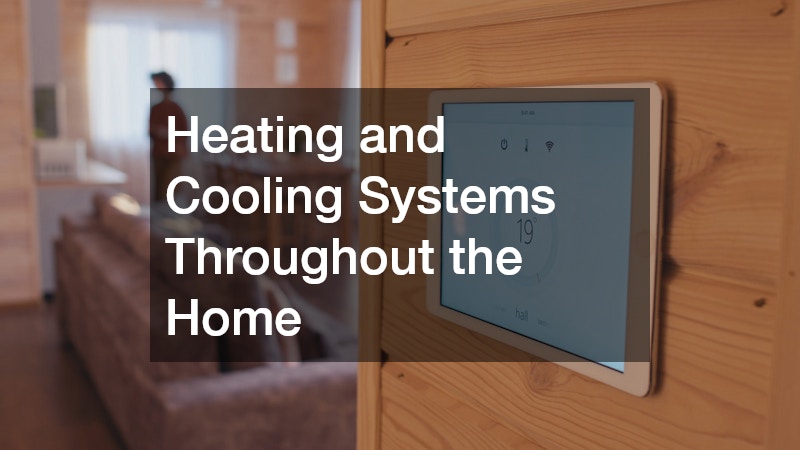
Heating and cooling systems are among the most critical components of a home, directly affecting comfort, energy use, and air quality. These systems operate year-round, often without much attention until something feels off. Planning maintenance for them requires understanding seasonal demands and scheduling inspections before peak usage begins. Working with an experienced HVAC company allows homeowners to identify inefficiencies, worn components, and airflow concerns before they escalate into system failures.
Air conditioning components benefit from regular filter changes, coil cleaning, and airflow checks. Addressing minor issues early through an ac repair service helps maintain consistent indoor temperatures and reduces strain on the system during hotter months. Heating equipment, including furnaces and heat distribution systems, also needs routine evaluation to ensure safe operation and reliable output. Ignoring these steps can lead to uneven heating, increased energy consumption, or unexpected shutdowns during extreme weather.
A comprehensive plan also considers backup solutions and system integration. Homes with auxiliary power sources should coordinate inspections with local generator services to ensure seamless operation during outages. For properties that rely on fuel-based heating, monitoring supply and usage of home heating oils helps prevent interruptions during colder seasons. Together, these steps create a resilient system that supports comfort year-round while reducing the likelihood of emergency repairs.
Bedroom Comfort and Indoor Climate Control
Bedrooms are personal spaces designed for rest and recovery, making consistent comfort a top priority. Temperature regulation, air quality, and noise levels all influence how well these rooms serve their purpose. Maintenance planning for bedrooms often overlaps with broader heating and cooling strategies but also includes room-specific considerations such as insulation, window performance, and ventilation pathways. Ensuring that airflow reaches each bedroom evenly prevents hot or cold spots that disrupt sleep.
Windows and doors in bedrooms should be inspected regularly for drafts, worn seals, or condensation buildup. These issues can signal insulation gaps or moisture concerns that affect indoor comfort. Flooring and walls may also show early signs of humidity imbalance, such as warping or discoloration. Addressing these details supports a stable environment and helps maintain the structural integrity of the room.
Because bedrooms are used daily, even small disruptions become noticeable quickly. Planning maintenance on a seasonal schedule allows homeowners to address concerns proactively, whether that means coordinating with an ac repair company before summer or scheduling furnace repair ahead of winter.
Garage Functionality and Entryway Systems
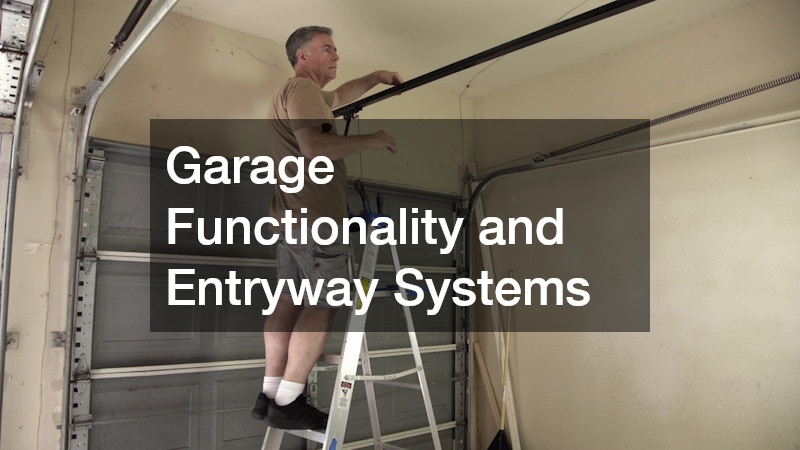
Garages serve multiple purposes, from vehicle storage to workshops and transitional spaces between indoors and outdoors. Because of this, they experience unique wear patterns and environmental exposure. Planning maintenance for the garage begins with understanding how often systems are used and how they interact with the rest of the home. Doors, tracks, and openers should be inspected regularly, as issues here can affect both security and convenience. Addressing concerns early through a garage door repair service helps maintain smooth operation and prevents sudden failures.
Garages also influence indoor air quality and temperature, especially when attached to the home. Seals around entry doors, shared walls, and ceilings should be checked to prevent drafts or unwanted air exchange. Storage practices matter as well, since clutter can interfere with ventilation or block access to mechanical components that require periodic inspection. Lighting and electrical outlets should also be reviewed to ensure safe operation in a space that often sees varied use.
By integrating garage maintenance into a broader plan, homeowners reduce the risk of overlooked issues. Seasonal checks aligned with weather changes help identify vulnerabilities, such as moisture intrusion or temperature fluctuations. A well-maintained garage supports daily routines while acting as a buffer that protects interior living spaces from external conditions.
Exterior Surfaces, Driveways, and Outdoor Features
Exterior maintenance plays a crucial role in protecting a home from environmental exposure. Siding, roofing, walkways, and driveways all serve as the first line of defense against weather, temperature changes, and moisture. Regular inspections allow homeowners to spot cracks, surface wear, or drainage issues before they compromise structural components. Driveways, in particular, benefit from periodic upkeep, as small surface flaws can expand over time without attention. Scheduling asphalt sealcoating services helps preserve the surface and supports long-term durability.
Outdoor living features such as decks, patios, and fences also require consistent care. Wood elements may need sealing, while metal components should be checked for corrosion. Landscaping can influence maintenance needs as well, since tree roots, soil movement, and drainage patterns all affect exterior structures. Coordinating these efforts ensures that outdoor spaces remain functional and visually cohesive.
Exterior planning should align with seasonal changes. Spring and fall inspections are especially valuable, as they prepare surfaces for upcoming weather extremes. By treating exterior maintenance as an ongoing process rather than a one-time task, homeowners protect their investment and reduce the likelihood of costly structural repairs that stem from prolonged exposure or neglect.
Pools, Recreation Areas, and Specialty Systems

Homes with pools and recreational features require an added layer of maintenance planning. These systems combine mechanical, structural, and water management components that must work together seamlessly. Regular monitoring of pumps, filters, and surfaces helps maintain performance and prevents damage that can escalate quickly if ignored. For properties with built-in water features, scheduling inground pool repair when early signs of wear appear supports long-term usability and safety.
Beyond the pool itself, surrounding areas such as decking, fencing, and drainage systems deserve attention. These elements contribute to overall safety and influence how the space is used throughout the year. Seasonal preparation, including opening and closing procedures, ensures that equipment remains protected during periods of inactivity. Water balance and circulation also play a role in preserving materials and reducing strain on mechanical components.
Incorporating recreational systems into a broader maintenance plan helps homeowners stay organized. By aligning pool care with exterior inspections and utility checks, tasks become more manageable. This structured approach ensures that leisure features remain enjoyable rather than becoming sources of unexpected work or disruption.
Planning Long-Term System Maintenance and Schedules
Effective home maintenance is not just about addressing individual areas; it is about creating a long-term strategy that evolves with the property. Developing a schedule that accounts for system lifespans, seasonal demands, and usage patterns allows homeowners to allocate time and resources efficiently. Heating systems, for example, benefit from annual inspections to ensure safe operation and reliable output, while cooling components may require more frequent attention during warmer months.
Documenting maintenance activities creates a valuable record that supports future planning. Notes on inspections, adjustments, and professional visits help identify patterns and anticipate upcoming needs. This approach also simplifies communication with service providers, as historical information provides context for recommendations. Over time, these records contribute to a clearer understanding of how the home responds to use and environmental factors.
A well-structured plan reduces uncertainty and supports proactive decision-making. Instead of reacting to emergencies, homeowners can prioritize upgrades and repairs based on observed performance. This mindset fosters confidence and ensures that each system receives appropriate attention within the broader maintenance framework.
Planning home maintenance the right way requires intention, organization, and a willingness to look beyond immediate concerns. A room-by-room and system-by-system approach transforms maintenance from a reactive chore into a manageable, ongoing process. By understanding how each area of the home functions and how systems interact, homeowners gain the ability to address issues early and preserve long-term performance. This proactive mindset supports comfort, safety, and efficiency throughout the year.
When maintenance tasks are thoughtfully scheduled and documented, they become part of a sustainable routine rather than a source of stress. Living spaces remain welcoming, essential systems operate reliably, and exterior features continue to protect the home from environmental exposure. Over time, these efforts compound, reducing unexpected disruptions and reinforcing the value of consistent care.
Ultimately, a well-maintained home reflects informed planning and attention to detail. By committing to a structured strategy and revisiting it regularly, homeowners can adapt to changing needs and extend the life of their property. This guide serves as a foundation for building that strategy, empowering you to maintain your home with confidence, clarity, and long-term perspective.