
Homes are complex systems made up of interconnected components that age, shift, and respond to environmental changes over time. While small issues are easy to dismiss, recurring or escalating problems often signal that a deeper concern is developing beneath the surface. What starts as a minor inconvenience can quickly grow into a larger disruption if warning signs are ignored or misunderstood.
Many homeowners struggle not because they fail to notice problems, but because they are unsure which professional is best suited to address them. When symptoms overlap across systems, it can be difficult to determine whether the issue is cosmetic, structural, environmental, or mechanical. Misjudging the nature of a problem can delay resolution and increase stress.
This guide explores common household issues that indicate it’s time to involve the appropriate home service professional. By understanding what certain warning signs mean and how they relate to specific systems, homeowners can respond more confidently, protect their property, and maintain a safer, more functional living environment.
Recognizing Exterior Surface Deterioration and Buildup
Exterior surfaces often show the earliest signs of broader property issues. Discoloration, staining, or slippery buildup on siding, walkways, and driveways may suggest moisture retention or environmental exposure that is affecting the home’s exterior envelope. When these conditions persist, they can accelerate surface wear and create safety concerns.
Over time, accumulated grime can trap moisture against materials, contributing to premature deterioration. Algae, mold, and mildew growth may indicate drainage issues or insufficient sunlight exposure. These surface changes are not merely aesthetic; they can reflect environmental patterns that impact other parts of the property.
When buildup becomes widespread or difficult to manage, homeowners often turn to power washing to restore surfaces and assess underlying conditions. Addressing exterior surfaces early helps reveal hidden damage, supports structural longevity, and improves overall property condition before problems spread further.
Homeowners often underestimate how quickly surface issues can escalate when left unaddressed. What begins as minor discoloration can evolve into persistent moisture retention that weakens materials over time. Surfaces that remain damp longer than expected may indicate airflow issues or drainage inefficiencies nearby. These conditions can also encourage organic growth that spreads beyond the original area, affecting adjacent materials and creating slippery or unsafe conditions. Regular observation of how surfaces respond after rain or seasonal changes can reveal patterns that are easy to miss during everyday routines. When surface deterioration appears widespread rather than localized, it often points to environmental exposure affecting multiple parts of the property simultaneously.
Identifying Signs of Unwanted Animal Intrusion
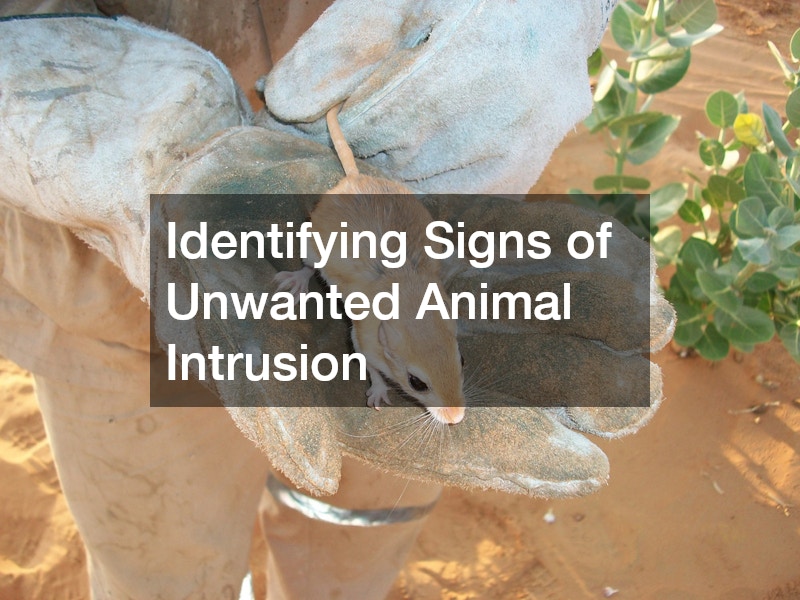
Unexplained noises, disturbed insulation, or recurring messes can point to wildlife activity within or around the home. These intrusions often occur quietly at first, making them easy to overlook until damage becomes more apparent. Animals seeking shelter can compromise insulation, wiring, and ventilation pathways.
Wildlife presence also introduces health and safety risks. Droppings, nesting materials, and odors may contaminate living spaces and attract secondary pests. The longer animals remain undetected, the more extensive the resulting damage can become.
When these signs appear, contacting a wildlife removal company becomes essential. Professional intervention ensures animals are removed safely and humanely while identifying entry points that may otherwise remain unnoticed, helping prevent future intrusions.
Animal activity within a home often follows predictable behavioral patterns that homeowners can learn to recognize. Scratching sounds at night, insulation displacement, or repeated access points near rooflines or foundations suggest animals have identified the property as a suitable shelter. These patterns frequently worsen during colder months or breeding seasons. Beyond physical damage, wildlife presence can disrupt airflow, compromise barriers, and create secondary access for insects. Early recognition of these behaviors allows homeowners to intervene before minor intrusion becomes extensive interior damage that affects multiple systems.
Noticing Patterns of Insect or Rodent Activity
Recurring sightings of insects or rodents often indicate an established presence rather than an isolated incident. Trails, droppings, or structural damage suggest that pests have found consistent access to food, water, or shelter within the home.
These infestations can affect multiple systems at once. Pests may chew wiring, damage insulation, or contaminate stored goods, creating compounding issues that extend beyond simple nuisance. Seasonal changes often worsen these problems as pests seek indoor refuge.
Persistent activity signals the need for professional pest control. Addressing infestations promptly helps limit structural damage, protect indoor air quality, and restore a sense of security within the home.
Infestations tend to follow environmental cues such as moisture availability, food sources, and temperature stability. When pests establish themselves, they often expand quietly into wall voids, crawl spaces, or utility areas. This hidden expansion explains why multiple systems may appear affected at once, even when the initial problem seemed small. Observing where pests are most active can help identify underlying attractants, such as humidity or structural gaps. These insights support more effective long-term solutions and reduce the likelihood of recurring issues.
Observing Changes in Tree Stability and Landscape Safety

Trees provide shade and visual appeal, but they can also pose risks when health or stability declines. Cracked limbs, leaning trunks, or exposed roots often indicate stress that could lead to failure during storms or high winds.
Landscape changes may reflect underlying soil movement or drainage issues. Trees growing too close to structures can interfere with foundations, underground utilities, and roofing systems over time.
When these warning signs appear, homeowners may need local tree removals to prevent damage and maintain property safety. Addressing tree-related concerns early reduces the likelihood of sudden failures and protects surrounding structures.
Tree-related issues are often tied to changes below ground as much as visible damage above it. Soil erosion, altered water flow, or compacted roots can destabilize trees gradually, making failure more likely during stress events. Homeowners may notice changes in how trees sway, shed limbs, or affect surrounding soil. These indicators often coincide with drainage changes or foundation movement nearby. Monitoring landscape shifts over time helps homeowners recognize when natural elements are influencing the home’s structural environment.
Responding to Persistent Water Flow and Fixture Issues
Water-related problems often escalate quietly. Slow drains, fluctuating pressure, or unexplained moisture can signal deterioration within pipes or fixtures. These issues may coincide with changes in water usage or environmental conditions.
Left unresolved, water problems can affect flooring, walls, and structural components. Moisture intrusion creates conditions for mold growth and material degradation, compounding the original issue.
When symptoms persist, a plumbing repair service becomes necessary to assess system integrity. Early intervention helps prevent widespread damage and ensures reliable water distribution throughout the home.
Water systems respond quickly to internal wear and external pressure changes. Minor fluctuations in flow or sound often precede more noticeable symptoms. Homeowners may hear knocking, whistling, or inconsistent flow that varies by time of day. These changes can reflect internal buildup or shifting connections that worsen gradually. When moisture appears where it shouldn’t, such as near baseboards or cabinetry, it often indicates hidden system stress. Identifying these signs early helps prevent secondary damage to surrounding materials.
Identifying Ground Movement and Structural Shifts
Cracks in foundations, uneven flooring, or changes in drainage patterns often indicate movement beneath the surface. These shifts may result from soil erosion, moisture changes, or previous construction activity.
Ground instability can affect multiple systems simultaneously, from structural supports to buried utilities. Ignoring these signs may lead to worsening misalignment and compromised load-bearing elements.
In such cases, an excavation company may be required to address underlying conditions. Proper assessment and stabilization help restore balance and protect the home’s structural integrity.
Subsurface changes rarely happen overnight, but their effects can surface suddenly. Hairline cracks, uneven thresholds, or doors that no longer align properly often signal gradual movement beneath the home. These symptoms may worsen after heavy rain or prolonged dry periods. Because ground movement influences multiple systems, it can create a domino effect that impacts utilities, drainage, and structural supports. Tracking changes over time helps homeowners understand whether conditions are stabilizing or continuing to shift.
Recognizing Cooling System Performance Declines

Inconsistent temperatures, unusual sounds, or reduced airflow often indicate declining system performance. These symptoms may appear gradually, making them easy to dismiss until comfort is noticeably affected.
Cooling inefficiencies can influence indoor humidity, air quality, and energy usage. When combined with other household issues, they may point to broader system strain.
Persistent concerns signal the need for ac repair. Professional evaluation ensures the system operates safely and effectively, supporting comfort and preventing further complications.
Cooling system performance is closely tied to airflow balance and environmental conditions. When performance declines, homeowners may notice increased humidity, lingering odors, or uneven comfort between rooms. These symptoms can place strain on other systems, including electrical components and building materials. Seasonal transitions often amplify these effects as systems adjust to new demands. Paying attention to how comfort levels change throughout the day provides valuable insight into whether the system is responding efficiently or struggling to adapt.
Spotting Masonry Damage and Structural Wear
Brick surfaces are durable, but they are not immune to wear. Crumbling mortar, cracking, or moisture penetration can indicate aging materials or environmental stress.
Masonry issues may reflect water infiltration, freeze-thaw cycles, or structural movement. These problems often worsen gradually, making early detection critical.
When damage becomes visible, a brick mason can assess the extent and restore stability. Proper masonry care preserves both structural strength and visual appeal.
Masonry materials respond visibly to environmental stress, making them useful indicators of broader issues. Mortar deterioration, surface flaking, or moisture staining often point to water intrusion patterns that affect more than just brickwork. These conditions can coincide with foundation movement or drainage problems nearby. Observing how masonry changes across seasons helps homeowners distinguish between normal aging and active deterioration. Addressing masonry concerns promptly supports both structural stability and long-term durability.
Monitoring Pavement and Surface Integrity

Driveways and paved areas experience constant exposure to weather and weight. Cracks, fading, or surface breakdown may signal underlying issues that affect durability.
Surface deterioration can allow moisture intrusion, accelerating wear and creating uneven conditions. These changes may coincide with drainage or soil movement concerns.
When surfaces degrade beyond minor wear, sealcoating services help protect and extend pavement life. Addressing surface integrity supports safety and long-term functionality.
Paved surfaces reflect the condition of what lies beneath them. Subtle changes such as pooling water, uneven texture, or widening cracks often indicate shifting support layers or moisture infiltration. These changes may develop slowly, making them easy to overlook until performance declines noticeably. Pavement issues often align with drainage or soil movement concerns elsewhere on the property. Monitoring surface behavior during different weather conditions provides valuable clues about underlying stability and long-term performance.
Addressing Bathroom Enclosure Wear and Water Exposure
Bathrooms are high-moisture environments where materials must perform consistently. Leaks, fogging, or alignment issues in enclosures can indicate wear or improper sealing.
Water escaping from shower areas can damage surrounding walls and flooring. Over time, this moisture exposure compromises structural materials and finishes.
When these signs appear, custom glass shower enclosures provide solutions that restore containment and functionality. Proper enclosure design helps manage moisture and maintain bathroom integrity.
Household problems rarely occur in isolation. More often, they emerge as patterns that reflect aging systems, environmental pressures, or deferred maintenance. Recognizing these signals early allows homeowners to respond strategically rather than reactively.
Understanding which professional to call when specific symptoms arise reduces uncertainty and prevents missteps. Each system plays a role in the home’s overall health, and addressing issues at the right time supports stability and safety.
By staying attentive to warning signs and responding with informed action, homeowners can protect their investment, maintain comfort, and ensure their home continues to function as a reliable living environment for years to come.